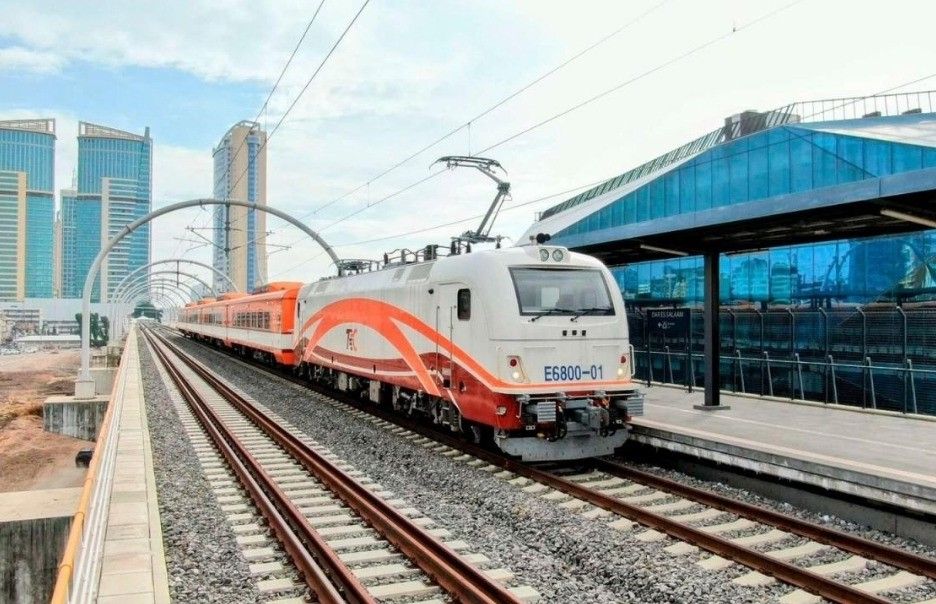
One nation. One network. One future.
An integrated national passenger railway, freight transportation and logistics system connecting all 16 regions of Ghana. Nanahemaa is a Twi word for unity.
Move people, producers, ports and markets as one
Ghana’s economy depends on moving people, produce, raw materials and finished goods efficiently. NANAHEMAA develops a railway business to give passengers and cargo owners a safe, reliable, scheduled alternative that complements road transport rather than replacing it.
The network is built corridor by corridor through dedicated project companies, with major interchange hubs at Accra–Tema, Takoradi, Kumasi, Boankra, Tamale, Techiman and Mpakadan.
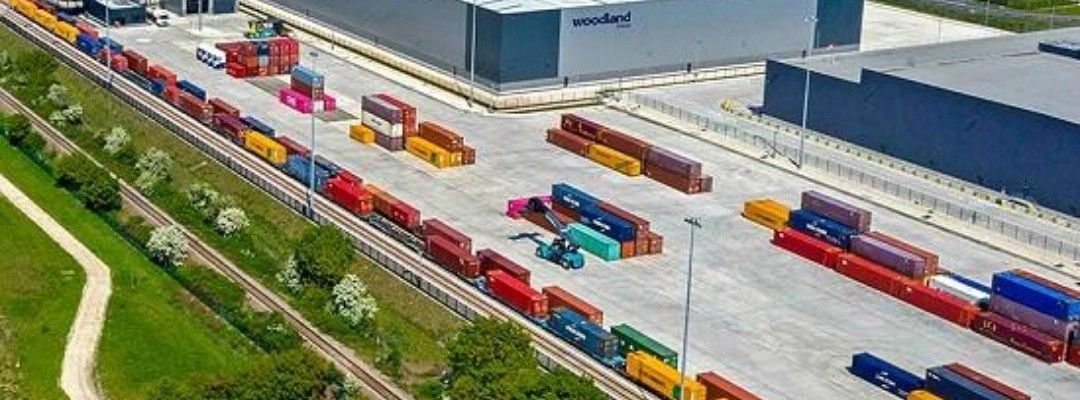
A railway and a logistics business in one
Passenger, freight, infrastructure, intermodal logistics, technology and property under one national corporation.
🚄NANAHEMAA High-Speed Rail
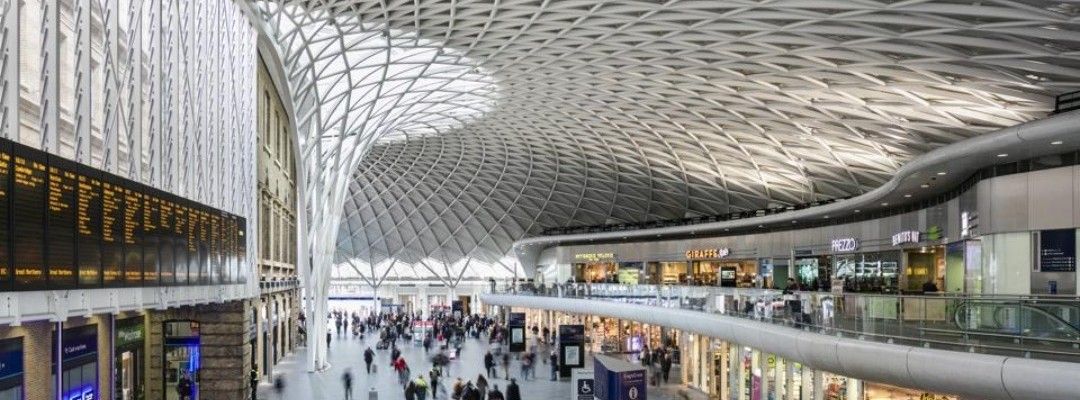
High-speed passenger services on selected major corridors, with a design ambition of 250 to 300 km/h on dedicated infrastructure, digital ticketing and accessible modern terminals.
🚆NANAHEMAA Regional Rail
Regional express and intercity services at about 120 to 200 km/h, connecting regional capitals, feeder buses and the high-speed network.
🚂NANAHEMAA Rail Freight
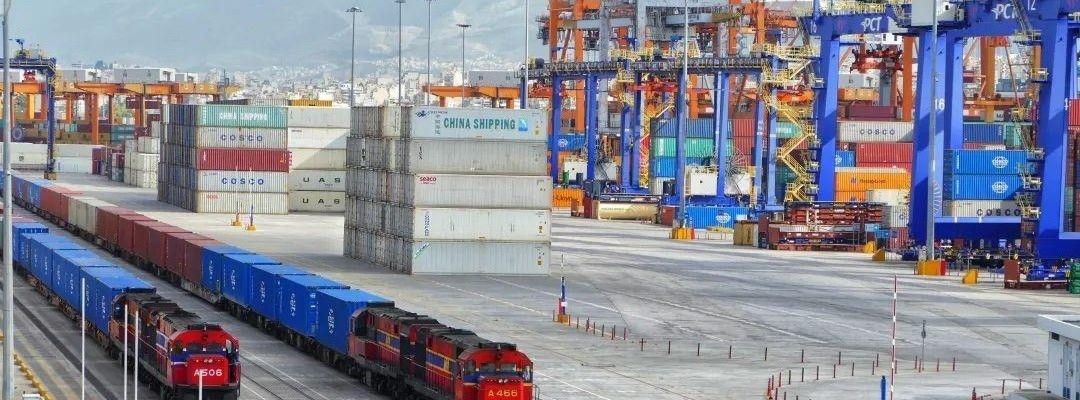
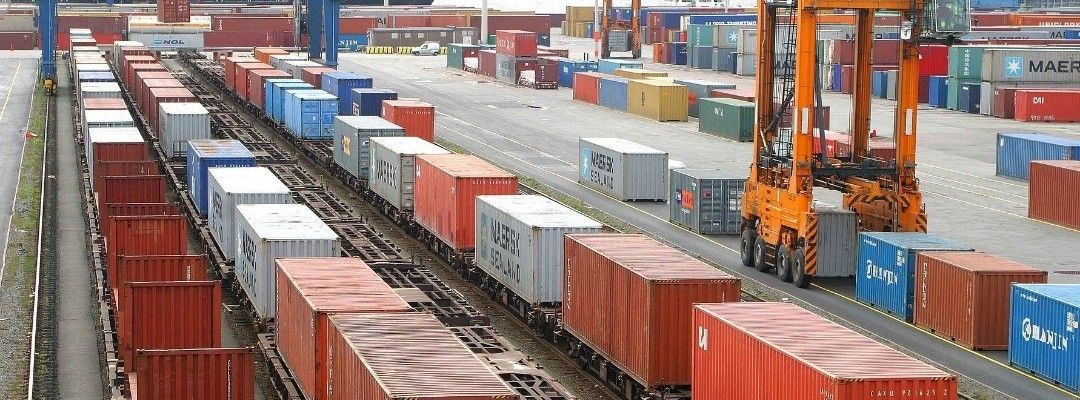
Scheduled freight for containers, agricultural cargo, minerals, cement and clinker, fertilisers and industrial materials.
🛠NANAHEMAA Rail Infrastructure
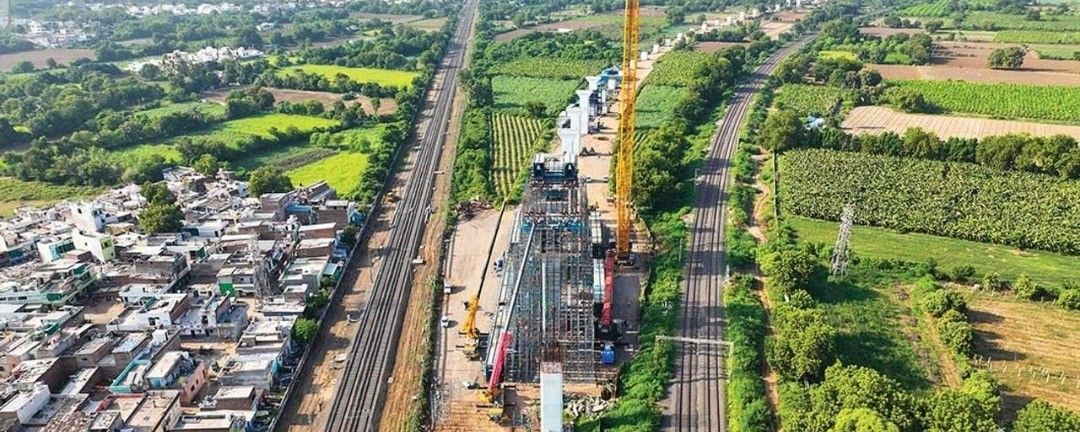
Railway development, engineering, construction, maintenance and infrastructure management.
📦NANAHEMAA Intermodal Logistics
Inland ports, dry ports, warehouses, distribution centres, cold-chain facilities and cargo handling.
💻NANAHEMAA Rail Technologies
Ticketing, reservations, real-time train status, freight booking, container tracking and operations dashboards.
🏙NANAHEMAA Property & Logistics Parks
Commercial property and industrial development around selected transport hubs.
The programme in detail
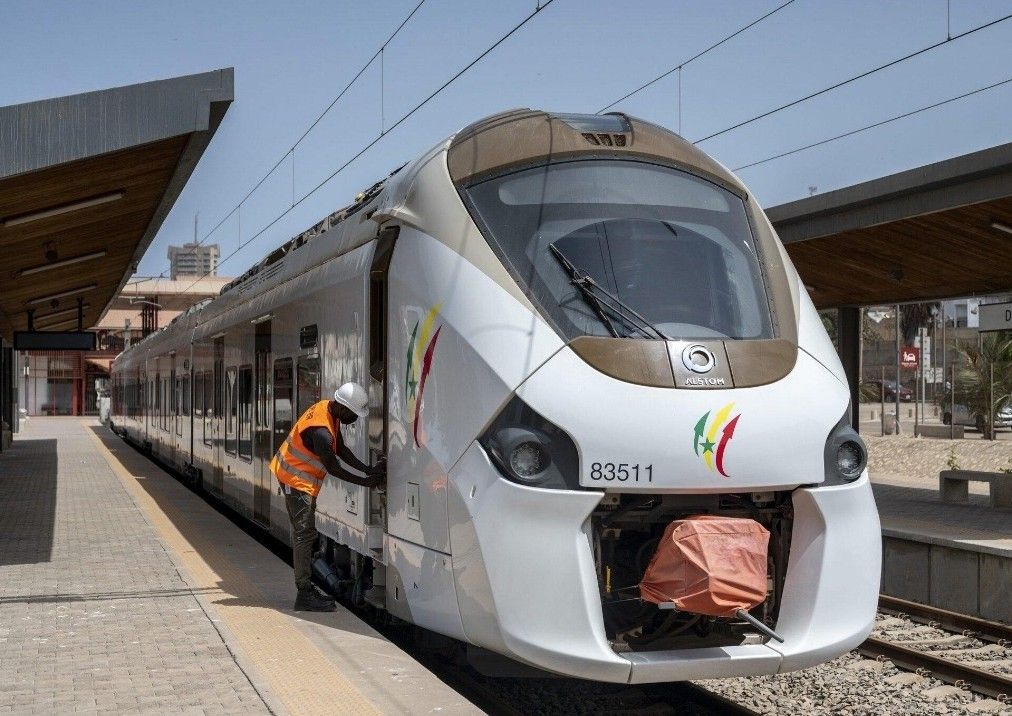
Passenger services
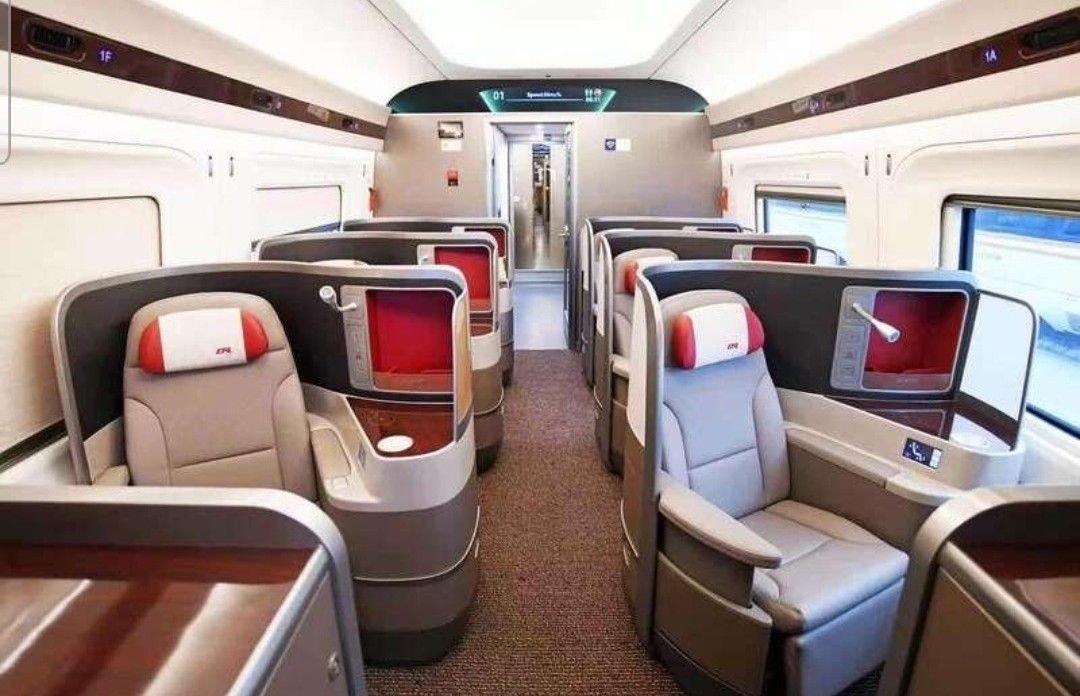
- High-Speed Rail: modern electric trainsets, dedicated tracks, advanced signalling, digital ticketing, onboard information and integrated security
- Regional Express: intercity trains, selected commuter services, connections to high-speed stations, feeder buses and digital reservations
Freight and intermodal logistics
Containerised imports and exports, cocoa, maize, rice and cassava-derived products, manganese, bauxite, cement and clinker, limestone and construction inputs move from port to terminal to warehouse to truck without unnecessary transfers. Supporting facilities include inland container depots, dry ports, warehouses, truck interchange terminals, agricultural collection centres and industrial logistics parks. The digital platform complements government customs and port systems and does not replace statutory clearance.
Planning corridors
- Eastern National Passenger & Freight
- Central National Spine (Accra, Kumasi, Tamale)
- Northern Extension
- Coastal Passenger & Freight
- Western Industrial & Mining
- Volta & Eastern Economic
- North-East, Savannah & Upper West, Western North, Ahafo and Oti regional corridors
Corridors are preliminary planning corridors, not surveyed alignments or secured railway rights.
Preliminary investment envelope
US$60 to 100 billion for the whole network (US$80 billion central scenario). This is a preliminary screening allowance, not an approved budget or engineering estimate. Indicative allowances: high-speed passenger infrastructure US$22 to 35bn, regional and freight infrastructure US$15 to 25bn, land and resettlement US$3 to 6bn, rolling stock US$4 to 7bn, stations, depots and logistics parks US$5 to 8bn, power, signalling and digital systems US$3 to 5bn, engineering and development US$2 to 3bn and contingency US$6 to 11bn.
Financing approach
Each corridor is a separate investment project with its own feasibility study, revenue forecast, risk assessment and financing: sponsor equity, domestic and international infrastructure funds, pension and insurance funds, development finance institutions, export-credit agencies, infrastructure and green bonds, and public-private arrangements. No government funding, concession, land right or investor commitment is presented as secured until formally agreed.
Revenue model
Passenger fares and premium services; container and bulk freight and long-term cargo contracts; warehouse rentals, container handling, storage and industrial park leases; station retail and property; and digital services including freight booking, tracking and enterprise logistics software.
Five phases over 15 to 25 years
Phases overlap depending on financing, approvals and engineering readiness.
Corporate establishment and project preparation: advisers, route screening, feasibility studies, land and terminal identification and investor information.
First commercial corridors, beginning with Tema–Boankra/Kumasi freight connections.
High-speed passenger backbone.
Central and northern expansion.
National network completion.
Talk to the founder
Yeboah Joseph Yaw
NANAHEMAA is led directly by its founder. Partnerships, investment and general enquiries all come to one inbox.
✉ nanahemaa@akanasigroup.comin LinkedIn: Joseph Yeboah